
The Rise of AI in Digital Marketing: How Automation Will Shape the Future ?
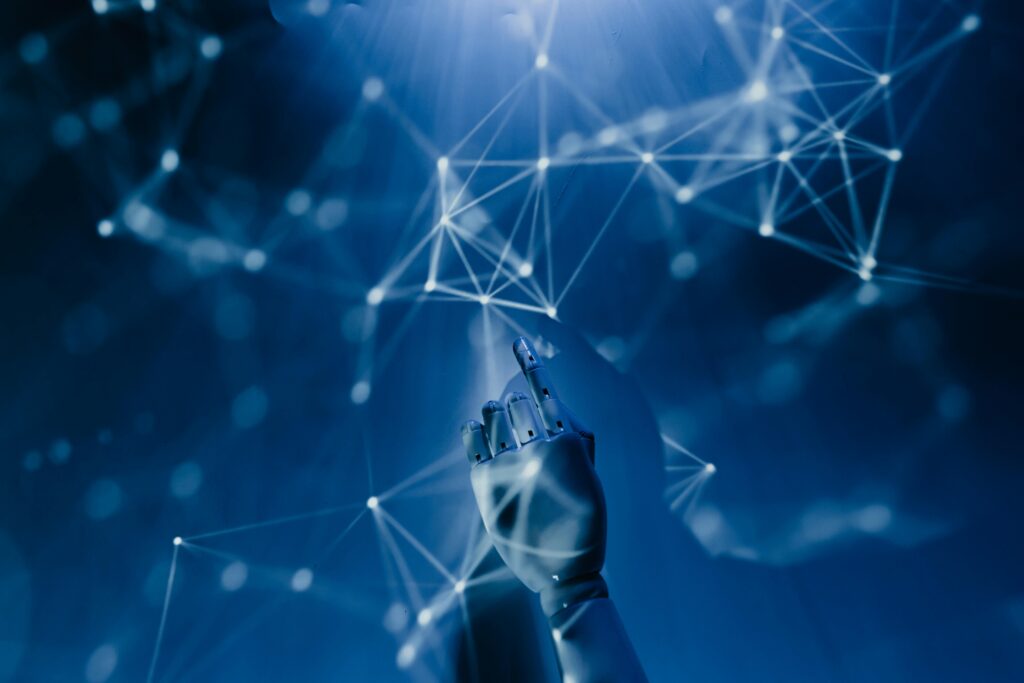
In the high-tech, fast-moving world of today, companies are always on the lookout for increasing efficiency, optimizing customer experience, and being ahead of the curve. One of the biggest developments in the past few years has been the launching of Artificial Intelligence (AI) in digital marketing. AI, along with automation, is revolutionizing the manner in which companies are engaging with their audience. From content personalization to data analysis and automation of processes, AI is revolutionizing marketing strategies, allowing companies to automate processes and provide enhanced customer experiences. With AI only looking to go further, the digital marketing future is now more automated and data-driven, revolutionizing the manner in which marketers are going about their campaigns and engaging with consumers.
Simplification of Repetitive Work and Enhanced Efficiency
One of the biggest benefits of AI in digital marketing is that it can automate mundane tasks. Earlier, marketers would spend hours and hours on mundane tasks like scheduling social media updates, monitoring email campaigns, responding to customer questions, or analyzing campaign performance. But with AI-based tools, mundane tasks can be automated, and marketers can spend more time on the creative and strategic aspects of their work.
Consider chatbots, for instance. AI chatbots are now standard fare on nearly every website, providing instant responses to customer questions. Chatbots can respond to repetitive questions, walk users through product choices, and even make personalized recommendations based on a user’s choice. The outcome? A quicker, more efficient customer service experience, with no human intervention. In fact, AI chatbots will be responsible for as much as 75% of customer service inquiries by the year 2025, a far cry from the old customer service models. Moreover, AI software that sends email marketing campaigns or social media content can automatically create optimized content, schedule, and monitor performance, allowing marketers to concentrate on strategy and interaction.
This automation not only saves time but also minimizes the chances of human error, making sure that campaigns run smoothly and consistently. For instance, AI-driven platforms can assist businesses in reaching the right people at the right time by reviewing user data and identifying when the optimal times are to post on social media. Automated tools can also make sure that email marketing campaigns are tailored and sent at the optimal times, maximizing conversion rates and engagement.
Scaling Personalization: Tailoring Content to the Consumer
One of the largest advantages AI has to offer in digital marketing is that it enables highly personalized customer experiences. It is challenging for traditional marketing means to cope with the huge level of data collected by users and therefore personalize the content to align with individual desires. AI is capable of handling large data sets and can easily scan and pick up patterns from consumer behavior so that marketers are able to construct personalized content in accordance with the preferences of the audience.
Retailers such as Amazon and Netflix have been utilizing AI for some years now in order to suggest products or content to users based on their history. AI is able to make informed guesses on what a customer will be interested in next by looking at what they have bought or watched previously. This kind of recommendation engine is already prevalent in e-commerce and video but is rapidly being used in other domains as well.
AI personalization extends beyond simple product suggestions. Through AI tools, marketers are now able to personalize email marketing campaign messaging, dynamically altering words based on user interest, location, web history, and even time of day. AI can also be used to create customized ads with a greater likelihood of appealing to a specific target audience. For example, AI can create customized display ads that adapt depending on factors such as a user’s history of interactions with the brand or location, thereby making the ad more relevant and interesting.
By offering personalized experiences at scale, businesses can increase customer satisfaction, boost engagement, and build stronger relationships with their audience. Studies have shown that personalized experiences lead to higher customer retention, enhanced conversions, and stronger customer loyalty. As AI technology continues to advance, the ability to offer hyper-personalized content will become more advanced, and businesses will be able to connect with their audience at a deeper, more meaningful level.
Predictive Analytics: Understanding Trends and Consumer Behavior
Another revolutionary application of AI for online marketing is predictive analytics. Predictive analytics applies historical data and machine learning algorithms to predict future trends, buyer actions, and market shifts. Advanced data analysis of huge quantities of information from multiple touchpoints—social media usage, web interactions, and customer behavior—allows AI to empower marketers to make educated decisions and adjust campaigns in real-time.
For instance, AI can examine past purchasing behaviors to determine what a customer is most likely to purchase next. This enables companies to tailor their marketing by presenting the correct products at the correct time. AI can also monitor social media chatter and trends to enable brands to track future topics or changes in consumer opinion. This enables companies to foresee trends and change their marketing strategies in advance, thus making them timely and competitive.
Along with improving targeting and personalization, AI-driven predictive analytics can also help companies maximize the return on their marketing investment. By determining which channels or campaigns will yield the highest ROI, AI can help marketers make more informed budget decisions and focus their efforts on the most effective methods. This kind of precision and insight will be critical as the marketing landscape continues to evolve, especially as consumer behavior becomes increasingly complex and fragmented.
The Future of Artificial Intelligence in Digital Marketing
As AI continues to develop, its role in digital marketing will continue to grow. The future of AI marketing is even more rosy, with developments like voice search optimization, hyper-personalized content, and even more sophisticated predictive models. Machine learning algorithms will even improve, and AI will learn from consumer behavior and make even more accurate predictions on future behavior. AI tools will also be even more connected, so marketers can view all their insights in one location, further streamlining their workflows. Lastly, AI and automation will continue to shape the future of digital marketing by making it more efficient, personalized, and data-driven. Brands that adopt AI will be more capable of delivering highly relevant and engaging experiences to customers and stay competitive. As we move deeper into the digital age, AI-driven marketing will be the new standard, changing the way businesses interact with consumers and shaping the future of marketing in general. In brief, AI will transform the digital marketing world completely. From automating routine tasks to delivering personalized experiences at scale and leveraging predictive analytics, AI is transforming the way businesses approach marketing. The future is indeed automated, data-driven, and AI-driven, equipping marketers with the tools they require to stay competitive and connected with their customers in ways previously unimaginable. The arrival of AI in digital marketing is not a trend—it’s the beginning of a new world.